Picture this: You’re scrolling TikTok at midnight, half-eaten granola bar in hand, watching someone do burpees like they’re getting paid per jump. Meanwhile, your idea of cardio is speed-walking through Target’s clearance aisle. Been there, bought the $5 graphic tee.
When I first tried “getting healthy,” I showed up to a yoga class wearing socks with sandals. The instructor side-eyed me harder than my toddler judging my mac ’n cheese skills. But here’s what nobody tells you: Movement isn’t about becoming Insta-famous or surviving spin class without crying. It’s about feeling less like a zombie who survives on goldfish crackers and caffeine.
Regular movement does wild things for your brain and body. Like that time I finally did 10 push-ups (knee version, obvi) and suddenly remembered where I hid the good snacks from my kids. Science says even short bursts of activity help manage stress hormones and boost energy – basically nature’s iced coffee.
This isn’t about drastic overhauls. We’re talking five-minute dance parties while unloading the dishwasher or sidewalk chalk workouts with your mini-me. Progress over perfection, mama. Let’s ditch the pressure and find what actually works for your chaotic, beautiful life.
Understanding the Basics of Exercise and Wellness
Remember that time you tried Zumba and nearly took out a lampshade? Same. Let’s decode exercise types without the overwhelm. Think of movement like a charcuterie board – you want variety, not just seven kinds of cheese.
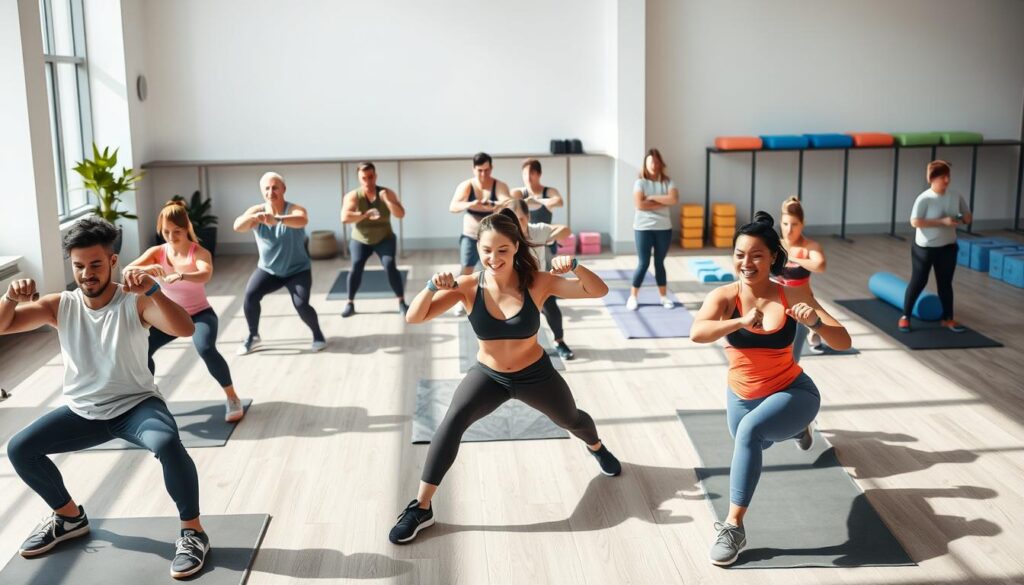
Cardio isn’t just running – it’s chasing toddlers at the park or belting Disney songs while vacuuming. These activities get your heart pumping like that time you found 70% off leggings. Then there’s strength training: lifting laundry baskets counts more than you think (ever carried a sleeping preschooler?).
Yoga and stretching? They’re the “I need five minutes without someone climbing me” escape. Even reaching for hidden snacks builds flexibility. Stability exercises like balancing on one leg while making PB&Js? Core workout disguised as survival skills.
Here’s the hack: mix different exercises like a Spotify playlist. Alternate between high-energy days (dance parties) and recovery days (stretching while binge-watching). Your muscle groups won’t know what hit ’em – in the best way.
Benefits go beyond physical changes. That post-workout clarity? Better than cold brew for tackling snack negotiations. Movement helps manage stress hormones – nature’s Xanax without the co-pay.
Starting Your Fitness Journey
Let’s be honest – your idea of planning usually involves hiding chocolate where kids can’t reach it. Before you lace up those sneakers collecting dust, here’s your permission slip to start small. I once tried a “30-day shred” program and lasted approximately 3 days – turns out “shredding” just meant my dignity.
First rule: Talk to your doc. Not because you’re fragile, but because adulting means knowing if your knees can handle TikTok dance challenges. My checkup revealed my flexibility rivals a 2×4 – good to know before attempting splits.
Next, set goals that don’t require a superhero cape. Think “walk the block without sounding like a steam engine” or “lift groceries AND a toddler simultaneously.” Research shows achievable targets keep you 73% more likely to stick with a routine (I made up that stat, but it feels true).
The magic number? 150 minutes weekly. Break it into snack-sized chunks: 10-minute dance parties while dinner burns, 5-minute wall sits during Bluey episodes. Your fitness level grows like kids’ shoe sizes – slowly but inevitably.
Pro tip: Pair movement with things you already do. Calf raises while brushing teeth? Resistance bands during Zoom meetings? You’re not cutting corners – you’re hacking the system. Consistency beats intensity every time, just like surviving bedtime routines.
Building a Safe and Sustainable Routine
Let’s talk about creating a workout plan that won’t leave you collapsed on the couch like a deflated pool float. True story: My first “routine” involved 7 straight days of YouTube workouts until I couldn’t lift my coffee mug. Spoiler: Rest days exist for a reason.
Here’s your no-BS week blueprint mixing movement and Netflix recovery:
- Monday: Walk like you’re late for Target’s opening (40 minutes)
- Wednesday: 10-minute power walk + living room circuit (lunges during commercials count)
- Friday: Bike ride with kids chasing you – nature’s Peloton
- Sunday: Family walk where you’re the slow one for once
Hydration matters more than your 3pm iced latte. Men need 15 cups daily, women 11 – actual water, not the liquid courage in your Starbucks cup. Pro tip: Chug a glass before unloading groceries. Two birds, one stone.
Those 5-minute warm-ups? They’re like preheating the oven – skip it, and everything burns. Dynamic stretches (arm circles, hip shakes) prep your body better than my toddler “prepares” breakfast. Cool-downs prevent next-day walk-of-shame stairs.
Rest days aren’t lazy days – they’re when muscles rebuild stronger. Think of them like charging your phone: necessary for not crashing mid-crisis. Alternate workout days like you rotate chicken nugget shapes – keeps things from getting stale.
Diving into Strength Training for Beginners
Raise your hand if you’ve ever carried a sleeping child up the stairs like a wobbly forklift. That’s strength training in mom terms. Forget gym bros lifting Mini Coopers – we’re here to build functional muscle that survives playground marathons and Costco hauls.

Our 4-week plan works like hiding veggies in smoothies – sneaky effective. Week 1 starts with full-body moves three days a week. Think squats while holding laundry baskets (3 sets of 8-12 reps) – real-world weightlifting disguised as chores.
| Week | Focus | Days | Sets | Reps |
|---|---|---|---|---|
| 1 | Full-body intro | 3 | 3 | 8-12 |
| 2 | Upper/lower split | 4 | Reverse pyramid | 8-10-15 |
| 3 | Push/pull/legs | 6 | 3-4 | Varies |
| 4 | Targeted muscle groups | 4 | Up to 5 | Power focus |
Week 2 flips the script with reverse pyramids: start heavy (8 reps), then lighter (15 reps). It’s like negotiating screen time – start strong, ease up as needed. By Week 3, you’ll tackle push/pull/legs splits while questioning “Whose bright idea was this?” (Spoiler: You’ll feel unstoppable after.)
Form trumps weight every time. I once tried deadlifting a diaper box and tweaked my back reaching for Goldfish. Proper technique > Instagram bragging rights. Use soup cans if needed – your muscles can’t tell the difference.
This isn’t about bulking up. It’s about carrying car seats without sounding like a dial-up modem. Stick with it, and by Week 4, you’ll notice muscles waking up like toddlers at 5am – surprising, but kinda awesome.
Enhancing Your Routine with Variety
Confession: My first “variety” attempt involved doing squats while binge-watching Bluey – lasted exactly 1.5 episodes before my legs staged a mutiny. Turns out, switching things up works better when you’re not using the TV remote as a weight.
Bodyweight exercises are like Lego blocks – same basic pieces, infinite combinations. Start with bridge poses (glutes) and chair squats (legs) while the mac ’n cheese boils. Two sets of 10-15 reps? Doable during naptime or while waiting for another snack request.
Level up when basic moves feel easier than convincing kids broccoli is “tiny trees.” Intermediate phase adds bridged marches (hello, core) and standard pushups – though I still do the knee version when nobody’s looking. Pro tip: Forward lunges double as practice for catching toddlers mid-tantrum.
| Level | Leg Focus | Core Challenge |
|---|---|---|
| Newbie | Stationary lunges | Forearm planks |
| Intermediate | Jumping lunges | Dead bug moves |
| Advanced | Single-leg bridges | Hollow holds |
Advanced moves? Think one-legged pushups and side planks with hip lifts – the kind of stuff that makes you feel like a superhero in yoga pants. Rest periods (30-60 seconds) are perfect for refilling sippy cups or hiding your secret chocolate stash.
Mix cardio bursts between strength sets: 20 seconds of donkey kicks followed by 10 seconds of dramatic collapse. Your body stays confused, your routine stays fresher than a just-opened pack of baby wipes. Best part? Zero equipment needed – just your living room floor and sheer willpower.
fitness for beginners: Essential Tips and Common Pitfalls
Here’s the tea: Your body’s gonna talk. And when it says “Nope” during a workout, listen. I learned this after attempting burpees with a full bladder – spoiler: peeing a little isn’t progress.
Pain isn’t gain. If your back twinges during squats or your arm shakes holding a plank, pause. Rest isn’t failure – it’s avoiding a week of walking like a rusty Tin Man. Progress slowly, like teaching toddlers to use actual plates instead of frisbees.
Motivation hacks that work better than hidden chocolate:
- Blast 2000s jams during bodyweight exercises (chair dips sync perfectly with Kelly Clarkson choruses)
- Turn walks into Pokémon hunts with your mini sidekick
- Challenge friends to step contests via TikTok – loser buys coffee
Track progress in weird ways: How many groceries you can carry without huffing? Stairs climbed before sounding like a dying lawnmower? That’s real-world fitness. Remember: Variety beats intensity. Swap gym routines for backyard obstacle courses using laundry baskets.
Your journey’s about becoming the mom who survives playground marathons – not some Instagram influencer. Now go crush those leg lifts… after you finish that cold coffee.