As the summer heat starts to fade, I’m excited to get my garden ready for the cozy fall season. It’s that time of year when the air is crisp, and the leaves start to change – a perfect backdrop for a bountiful harvest. I’ve been there, done that, and got the t-shirt (or should I say, the gardening gloves 😉).
Getting my garden ready for fall is a labor of love. It’s about wrapping up the summer season and preparing for the colder months. I’m sharing my personal experience, and I invite you to join me on this journey. We’ll explore the essential steps to make fall garden preparation a breeze, and I’ll share some tips and tricks along the way.
So, let’s get started! By the end of this article, you’ll be well on your way to getting your garden ready for the fall season.
My Fall Garden Preparation Journey
I’m not exactly a gardening guru, but I’ve learned a thing or two about prepping for fall. As I reflect on my journey, I realize that fall garden prep is crucial in my zone. The changing weather patterns demand it.
Why Fall Garden Prep Matters in My Zone
My region experiences a significant drop in temperature as fall approaches, which means I need to prepare my garden for the cold. This involves clearing out summer crops and protecting sensitive plants.
My Garden’s Transformation Through the Seasons
My garden transforms dramatically through the seasons. In the spring, it’s all about new growth; summer brings lush foliage, and fall is a time for harvest. 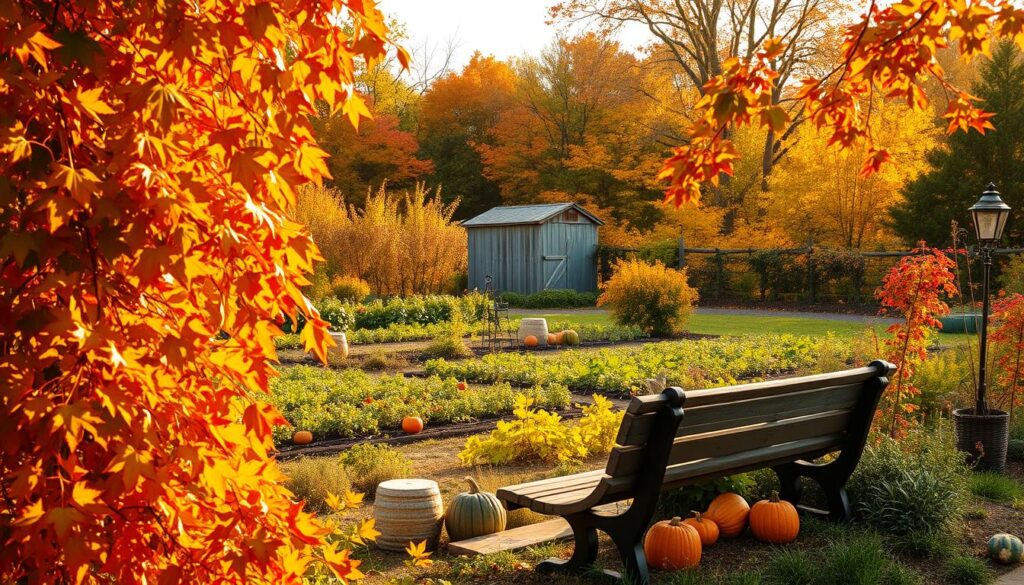
Lessons Learned from Previous Years
Over the years, I’ve learned to be proactive. I’ve made mistakes, like not mulching my plants early enough, but those lessons have stuck. Now, I prioritize soil preparation and mulching to ensure a healthy garden come spring.
Clearing Out Summer Crops and Garden Cleanup
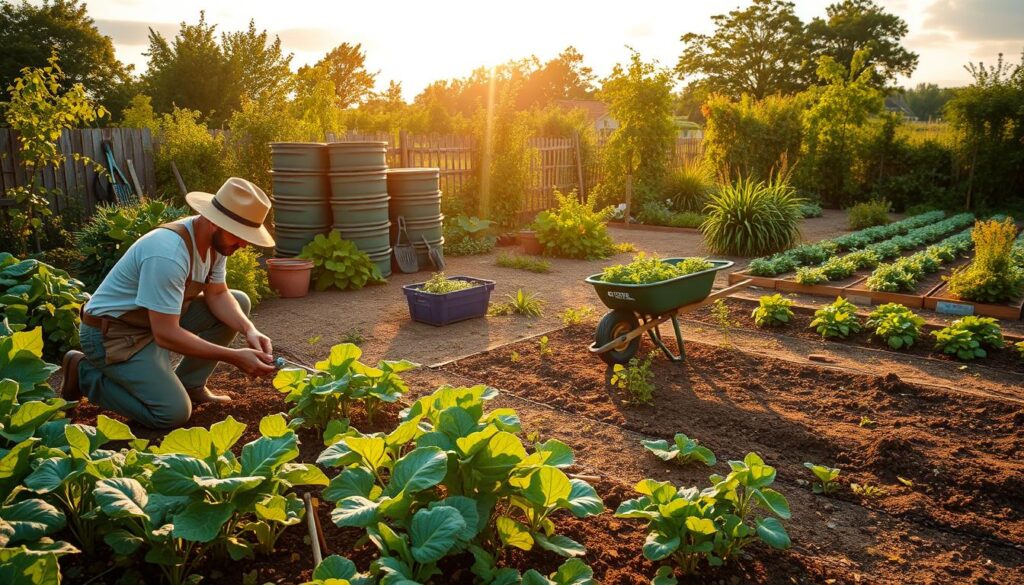
As summer fades, it’s time to tackle the task of clearing out those summer crops and giving your garden a good cleanup. I’m always a bit sad to see summer go, but I’m excited to share my step-by-step guide on how to get your garden ready for fall.
Removing Spent Plants and Harvesting Final Produce
The first step in clearing out summer crops is to remove any spent plants. This not only tidies up your garden but also helps prevent diseases from spreading to your fall crops. Take this opportunity to harvest any final produce – you might be surprised at how much you can still get from your garden! When removing plants, be sure to check for any remaining veggies or fruits that are still good to eat.
What to Save and What to Discard
As you’re clearing out plants, you’ll need to decide what to save and what to discard. I like to save any healthy plant material for composting, while discarding any diseased or infested plants. This helps keep your garden healthy and reduces waste.
Composting Garden Debris Properly
Composting is a great way to turn garden debris into nutrient-rich soil for your fall crops. To compost effectively, be sure to mix “green” materials like kitchen scraps and grass clippings with “brown” materials like dried leaves and straw. This will help create a balanced compost pile that breaks down quickly.
Cleaning and Storing Garden Tools
As you’re clearing out your garden, don’t forget to give your garden tools some TLC. Cleaning and storing them properly will help extend their lifespan and keep them in good working order.
My Tool Maintenance Routine
My tool maintenance routine is simple: I clean my tools with soap and water, dry them thoroughly, and store them in a dry place. I also like to oil any metal parts to prevent rust. By following these steps, you’ll be able to keep your tools in great condition and ensure they’re ready for the next gardening season.
Soil Preparation and Amendment for Fall
Getting my garden’s soil ready for fall is a task I look forward to every year – it’s like a little self-care for my plants. As the seasons change, my garden needs some extra care to stay healthy and thrive. So, let’s dive into the importance of soil preparation and amendment for a bountiful fall harvest.
Testing Soil pH and Nutrient Levels
Before I start amending my soil, I need to know what I’m working with. Testing my soil’s pH and nutrient levels is crucial to determine if it’s too acidic or alkaline. I use a soil testing kit to get the job done. It’s like a check-up for my garden!
Adding Compost and Organic Matter
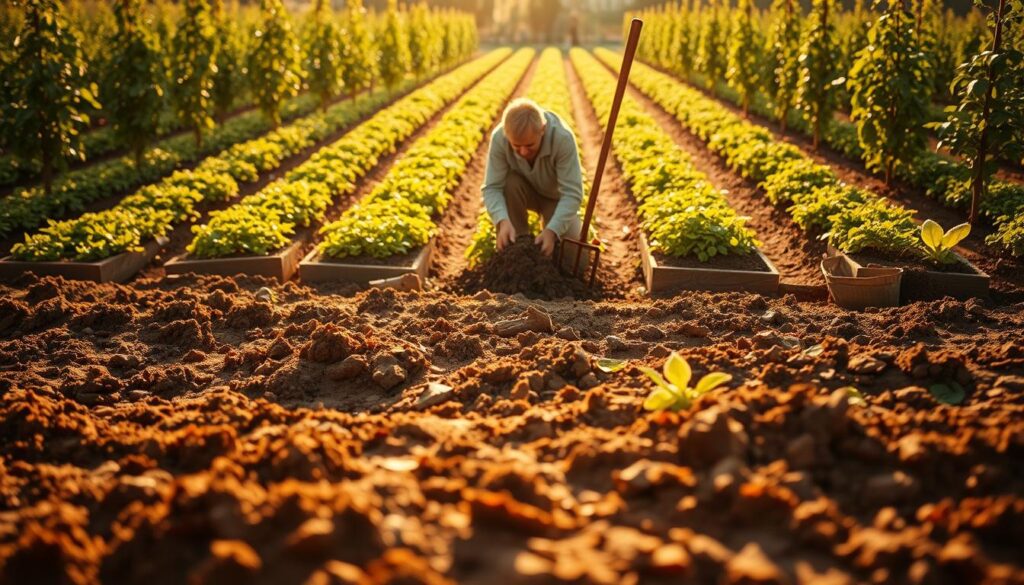
Once I know my soil’s status, I add compost and organic matter to give it a boost. This is where the magic happens! Compost is like a vitamin for my plants, providing essential nutrients for growth.
My Homemade Compost Recipe
I love making my own compost using kitchen scraps, leaves, and grass clippings. Here’s a simple recipe: mix 2/3 “brown” materials (like leaves) with 1/3 “green” materials (like kitchen scraps). Add some water, and let nature do its thing! It’s a great way to reduce waste and create something valuable for my garden.
Mulching Techniques for Fall Protection
Mulching is another essential step in preparing my garden for fall. It helps retain moisture, suppress weeds, and regulate soil temperature. I use different types of mulch depending on my plants’ needs.
Different Mulch Types and Their Benefits
Some popular mulch options include organic mulches like wood chips, straw, or bark. Each has its benefits – for example, wood chips are great for pathways, while straw is perfect for vegetable gardens. I choose the right mulch for the job to ensure my plants stay happy and healthy.
How to Prepare Your Garden for Fall Planting
If you’re like me, you’re eager to extend the growing season and make the most of your garden’s potential – let’s get started on fall planting! As the seasons change, your garden needs some TLC to transition smoothly into the cooler months.
Selecting Cold-Hardy Vegetables for Fall Harvest
One of the joys of fall gardening is enjoying a fresh harvest of cold-hardy vegetables. These resilient plants can withstand light frosts and continue to produce delicious greens well into the fall.
My Top 5 Fall Vegetable Picks
- Kale: A nutrient powerhouse that’s easy to grow and can survive temperatures as low as 20°F.
- Spinach: Another cold-hardy favorite that can be harvested even under snow.
- Carrots: While they can’t tolerate frost on their greens, carrots can be left in the ground and harvested as needed.
- Brussels Sprouts: A cool-season crop that tastes sweeter after a light frost.
- Radishes: Quick-growing and can be successionally planted for a continuous harvest.
Planting Bulbs for Spring Blooms
Fall is the perfect time to plant bulbs that will bloom beautifully in the spring. It’s a bit like planting a surprise party for your garden – you get to enjoy the anticipation and the reveal!
Bulb Planting Depth and Spacing Guide
- Choose a location with good drainage and sufficient sunlight.
- Plant bulbs at a depth 2-3 times their height.
- Space bulbs 3-6 inches apart, depending on their mature size.
Timing Your Fall Plantings for Success
Timing is everything when it comes to fall planting. For cold-hardy vegetables, count back about 8 to 10 weeks from your first expected frost date. For bulbs, plant them about 6 to 8 weeks before the ground freezes.
By following these guidelines, you’ll be well on your way to a thriving fall garden and a beautiful spring display. Happy gardening!
Protecting Perennials and Shrubs from Frost
As fall comes to a close, it’s time to start thinking about protecting our perennials and shrubs from the harsh winter months. I’ve been there, done that, and learned a thing or two about how to keep my garden safe during the cold weather.
Pruning Techniques for Different Plant Types
Pruning is an essential step in preparing our perennials for winter. Different plants require different pruning techniques. For example, perennials like daylilies and coneflowers can be cut back to the ground after the first frost, while shrubs like roses and hydrangeas may need to be pruned back to about a third of their height.
Plants That Need Special Attention
Some plants, like sensitive roses, need extra care. I’ll wrap them with burlap or a frost blanket to protect them from harsh winds and frost. Other plants, like hydrangeas, may need their branches tied together to prevent damage from snow and ice.
Insulating Vulnerable Plants
To protect vulnerable plants from extreme cold, I’ll use a layer of mulch or straw to insulate the soil around their roots. This helps to keep the soil from freezing and thawing, which can cause damage to the roots.
Winterizing Container Gardens
Container gardens need special care too. I’ll move them to a protected area, like a garage or under an awning, to shield them from harsh winds and frost.
Moving Containers to Protected Areas
If you can’t move your containers, consider grouping them together and wrapping them with a frost blanket or burlap. This will help to protect them from extreme cold and wind.
Managing Pests and Diseases Before Winter
Managing pests and diseases is a top priority for me as I prepare my garden for the cold weather. As the seasons change, it’s essential to take proactive steps to protect your garden from unwanted critters and diseases that can overwinter and cause trouble come spring.
Fall Pest Control Strategies
One of the most effective ways to manage pests in the fall is to clean up your garden thoroughly. Remove any debris, weeds, or spent plants that can harbor pests and diseases. I also like to use natural remedies like neem oil to keep pests at bay.
Identifying Common Fall Garden Pests
Some common fall garden pests include aphids, spider mites, and slugs. Keep an eye out for these critters and take action quickly if you spot them. You can use a mixture of water and mild dish soap to help control aphids and spider mites.
Preventing Overwintering Diseases
To prevent diseases from overwintering, make sure to dispose of any infected plants or debris. You can also use crop rotation to reduce the risk of disease buildup in your soil. I like to rotate my crops seasonally to keep my soil healthy.
Natural Remedies I Swear By
For a more natural approach, I’ve found that companion planting can be super effective. Planting certain herbs and flowers alongside your vegetables can help deter pests and attract beneficial insects. For example, marigolds repel nematodes, while basil repels aphids.
My DIY Organic Pest Solutions
One of my favorite DIY pest solutions is a mixture of garlic, hot peppers, and soap. Blend these ingredients with water, strain the mixture, and spray it on your plants to keep pests away. You can also use diatomaceous earth to dehydrate and kill slugs and snails.
Your Fall Garden Checklist: Simple Steps for Success
Now that we’ve gone through the nitty-gritty of preparing your garden for fall, let’s get down to business with a simple checklist to ensure you’re on track. I’ve got you covered with these easy-to-follow steps.
First, clear out those summer crops and debris – it’s time to give your garden a fresh start. Next, test your soil pH and nutrient levels, and don’t forget to add some compost to keep it rich and healthy. If you’re planning to plant some cold-hardy veggies or bulbs, now’s the time to get them in the ground.
To make it even simpler, here’s your fall garden checklist:
✔ Clear out summer crops and debris
✔ Test and amend your soil
✔ Plant cold-hardy veggies and bulbs
✔ Protect your perennials and shrubs from frost
✔ Manage pests and diseases before winter
By following these simple steps, you’ll be well on your way to a thriving fall garden. Happy gardening, and don’t forget to enjoy the fruits of your labor! 🌼