Ever had that *record scratch* moment at 5:47 PM when your kid asks “What’s for dinner?” and you realize…absolutely nothing? Yeah, me too. Last Tuesday, I stood frozen in my kitchen like a TikTok buffering, staring at condiment bottles while my toddler tried to eat ketchup straight from the packet.
That’s when I realized: surviving the week isn’t about fancy meal prep. It’s about having the right ingredients without playing pantry roulette. But here’s the plot twist – you don’t need 17 apps or a PhD in meal planning.
I’ve cracked the code for creating a realistic system that works when you’re juggling soccer practice, work deadlines, and that one child who’s convinced broccoli is poison. We’re talking essentials that stretch across multiple meals, sneaky nutrition boosts, and ways to avoid buying your eighth jar of paprika “just in case.”
This isn’t about being the Pinterest mom who makes rainbow chia pudding. It’s about feeding your crew without the 9 PM stress-snack dash to the store. Ready to turn grocery chaos into something that almost feels…manageable? Let’s roll.
Understanding the Value of a Planned Grocery List
Ever sprinted through the store like you’re in a Supermarket Sweep reboot while your preschooler lobs granola bars into the cart? Been there. Let’s talk about why that crumpled receipt with scribbled items isn’t cutting it anymore.
Clock’s Ticking – Let’s Move
Picture this: You’ve got 38 minutes before piano lessons. A solid list turns your chaotic dash into a military-precision operation. No more circling back for eggs three times while your tween debates every snack choice. Research shows planners spend 23% less time in stores – that’s 11 extra minutes for your secret car chocolate stash.
The Temptation Trap
Those endcap displays? They’re basically “Buy me!” billboards. With a clear roadmap, you’ll cruise past the neon-colored cereal (RIP, Froot Loops dreams) and grab what actually fuels your crew. Bonus: Your bank account won’t side-eye you later for impulse buys.
Pro tip? Shop after lunch. Hunger turns kale into “maybe just this cookie…” territory. Stick to your list like it’s the last pack of Paw Patrol fruit snacks, and watch your cart (and sanity) stay on track.
Smart Shopping: How to Shop for Healthy Groceries on a Budget
Who knew your phone could save more than just memes? Let’s talk about turning your weekly shopping trip into a savings game where everyone wins (except maybe the snack aisle).
Coupon Hacks That Don’t Suck
I used to think clipping coupons was my grandma’s hobby – until I realized digital deals are basically cheat codes for store savings. Pro tip: Check your grocery app while waiting in carpool line. Those “buy one, get one free” alerts? Instant meal plan inspo.
Last week, chicken breasts were 50% off. Cue three nights of tacos, stir-fry, and sheet-pan dinners. My kids didn’t notice the repetition – just the extra popsicle money we saved.
Store brands are the real MVPs here. Their mac ‘n cheese passes the kid test 9/10 times. Unless there’s a specific allergy or crazy coupon combo, generic ingredients work just as well. Bonus: You’ll feel like a ninja when your receipt shows $28 saved.
Watch for sneaky sale rules though. Some discounts only apply if you digital clip them first. It’s like unlocking bonus levels in your favorite game – except the prize is actual foods your family will eat.
Meal Planning Basics for Family-Friendly Dinners
You know that *freeze frame* moment when you’re staring into the fridge at 6 PM, mentally combining ketchup and cereal into a “meal”? Same. Here’s what finally worked for me: turning picky eaters into meal co-pilots.
Let your crew scroll recipe apps like they’re choosing TikTok filters. My 7-year-old picked “dinosaur chicken” (baked nuggets) last week and actually ate vegetables because “they’re diplodocus food.” Pro tip: Only show options you’d actually make. Otherwise, you’ll end up negotiating pancake dinners every night.
Ingredients should moonlight like Beyoncé in a Destiny’s Child reunion. Grab rotisserie chicken for Monday’s tacos, then toss leftovers into Wednesday’s fried rice. Those bell peppers? Fajita strips today, omelet fillings tomorrow. Your crisper drawer stays fresh, and you avoid that 9 PM “Why is this zucchini liquid?” panic.
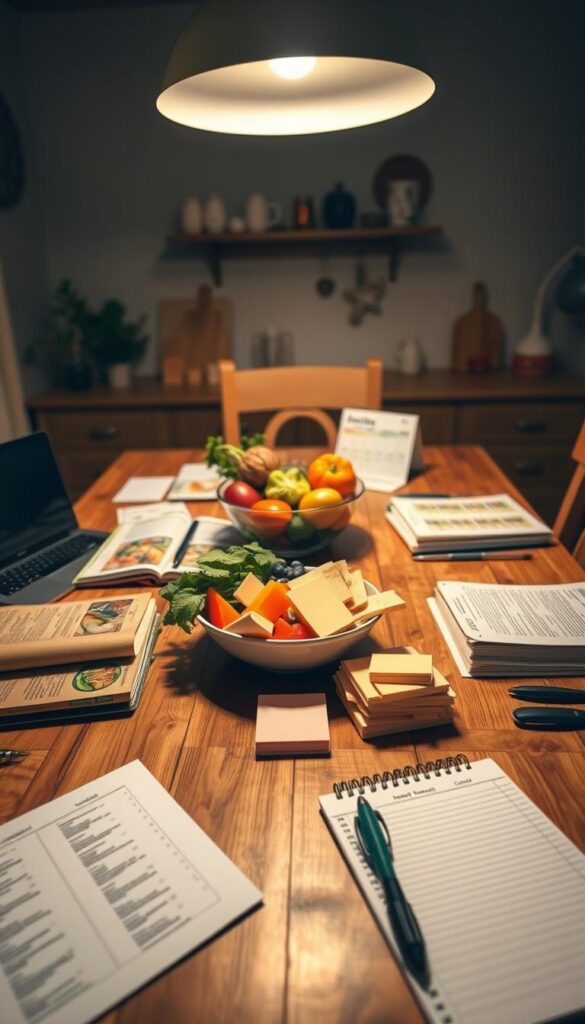
Here’s my secret sauce: theme nights save brain space. Taco Tuesdays become quesadilla Thursdays using the same tortillas and cheese. Sunday’s roasted veggies? They’re Monday’s pasta mix-ins. Kids dig the routine, and you’re not reinventing dinner daily.
Last week, my middle child declared broccoli “tiny trees for my food village.” Did it make sense? No. Did he eat it? Shockingly, yes. That’s the magic of letting them “help” – even if “helping” means smashing avocados into abstract art.
Your mission: Turn this week’s chaos into a rough sketch. Three overlapping meals. Two snackable veggies. One less 11th-hour drive-through dash. You’ve got this.
Creative Ways to Repurpose Leftovers
Who else has opened the fridge to find mismatched leftovers that look like a food graveyard? Here’s the tea: reheating last night’s identical plate is the fast track to mutiny. But what if I told you that container of chili could become three kid-approved meals?
Inspiration for New Meals
Think of leftovers like Lego bricks. Monday’s roasted chicken? Tuesday’s dinner becomes:
- Quesadillas with shredded cheese and sneaky spinach
- BBQ chicken flatbreads (store-bought crust = mom magic)
- Fried rice with frozen peas and that half-used soy sauce packet
Veggie remnants get glow-ups too. Those roasted carrots? Blend them into tomato soup for sweetness. Mashed potatoes? Shape them into crispy pancakes for breakfast. My kids think they’re getting “special weekend food” – I’m just avoiding food waste.
The real hack? Store components separately. Keep proteins, grains, and veggies in their own containers. Suddenly, you’re mixing and matching like a Chopped champion. Last week’s taco meat became spaghetti sauce when I added tomato paste. My crew never suspected a thing.
Pro tip: Freeze single portions of cooked meats and grains. They’re instant ingredients for emergency meals when the day goes full circus mode. Bonus points if you rename leftovers – “taco chicken” becomes “Mexican confetti” and watch those plates clear faster than a Bluey episode.
Navigating the Grocery Store: An Aisle-by-Aisle Guide
Ever notice how grocery stores feel like corn mazes designed by evil geniuses? Those rotating endcaps and “seasonal” displays in February aren’t accidents – they’re shopping traps waiting to ambush your wallet. Here’s how to outsmart the system.

Game Plan for Victory
Start by grouping your list like a store map. I divide mine into:
- Produce (front of store)
- Dairy/meats (perimeter)
- Pantry staples (center aisles)
This strategy cuts backtracking by 80%. No more realizing you skipped eggs after leaving the dairy section. True story: My local Target rearranged cereal last month. I nearly cried in aisle 12.
Perimeter first is key. Load up on fresh items before hitting the middle where snack temptation lives. Those center aisles? Treat them like quicksand – get what you need and keep moving. Pro tip: Shop the same store weekly until you can navigate blindfolded. (Tested this. Do not recommend.)
Watch for sneaky product shifts. Last week, my go-to pasta sauce moved three shelves up. Coincidence? I think not. Stick to your categorized list like it’s the last pack of gummy vitamins.
The goal? In and out before your toddler spots the cookie display or you impulse-buy truffle oil because “maybe I’ll start gourmet cooking”. We both know how that ends.
Choosing the Best Ingredients for Nutritious Meals
Raise your hand if you’ve ever stood in the produce aisle wondering if organic kale is worth the *side-eye* from your budget. Been there. Let’s break down ingredient choices without the analysis paralysis.
Seasonal produce isn’t just Insta-worthy – it’s your wallet’s BFF. Those $8 December strawberries? They taste like regret. But summer berries? Nature’s candy at half-price. Bonus: They pack more vitamins when actually in season.
Meat labels can feel like decoding hieroglyphics. Here’s the cheat code: Choice/select grades ≠ sad dinner. They’re just leaner (read: less juice-dripping panic in your oven). That marbled prime steak? Save it for date nights when you’re not cutting crusts off 14 sandwiches.
- Wild-caught fish when possible (look for MSC blue labels)
- Frozen veggies for backup nutrition (no shame in the freezer aisle)
- Bulk bins for spices – because nobody needs 3 cups of turmeric
Label reading made simple: If the ingredients list sounds like a chemistry exam, maybe skip it. I aim for “recognizable foods” – like “tomatoes” instead of “lycopene-rich suspension.”
Remember: Progress > perfection. Swapping white rice for cauliflower rice once a week? Chef’s kiss. Your kids still eating? Gold star. We’re building better habits – not auditioning for MasterChef.
Organizing Your Pantry and Fridge for Longevity
True story: Last month I found a science experiment masquerading as blueberries behind the milk. Turns out organization isn’t just for Pinterest moms – it’s survival mode for anyone who’s ever shouted “WHY DO WE HAVE THREE OPEN JARS OF PICKLES?” at 11 PM.
The first in, first out rule changed my life. When unloading groceries, I now rotate like a DJ – older items get front-row seats, new ones chill in back. Your fridge becomes a Netflix queue: expiring soon plays next. No more petri dishes hiding behind the yogurt tubes.
Not everything belongs in cold storage. Garlic and onions thrive in a cute bowl on the counter – plus, they won’t make your butter taste like onion rings. My fridge now has breathing room for actual food instead of becoming a root vegetable graveyard.
Three sanity-saving moves:
- Clear bins for snacks (prevents the “Mom, we’re out of goldfish!” lie)
- Designate a “use me first” shelf at eye level
- Group baking supplies together – no more midnight sprinkles scavenger hunts
Your pantry doesn’t need aesthetic baskets – just logic. Keep oatmeal packets near mugs, peanut butter at kid-height. Those random sauce packets? Toss ’em in a labeled lunch bag. You’ll reclaim minutes (and cabinet space) every time you cook.
Remember: Functional beats flawless. My spice rack has three mismatched lids and zero regrets. As long as you’re not serving “mystery container surprise” for dinner? You’re winning.
Essential Elements of a family-friendly grocery list
Let’s get real about what actually ends up in your cart versus that aspirational list you made while sipping cold coffee. I’ve learned the hard way: quinoa might as well be cardboard if your crew stages a dinner rebellion. The magic formula? 80% reliable staples + 20% wildcard items = fewer hangry meltdowns.
Your MVP players:
- Breakfast ninjas: Eggs, oatmeal, and frozen waffles that toast in 90 seconds flat
- Lunchbox heroes: Whole-grain bread, deli meat, and apples that don’t bruise like divas
- Dinner chameleons: Ground beef that becomes tacos, pasta sauce, or sloppy joes
Snacks are non-negotiable. I keep a “snack zone” in the pantry with popcorn packs and fruit leather – it’s cheaper than bribing kids with drive-thru fries. Pro tip: Pre-cut veggies survive exactly 2.7 days before morphing into science projects. Buy whole carrots and pretend you’ll chop them later.
Embrace shortcut items like jarred garlic or pre-cooked rice. Your future self will high-five you during Wednesday’s chaos hour. Remember: A good list bends without breaking – maybe you’ll roast those Brussels sprouts… or maybe they’ll become compost. Either way, you’re feeding your family, not auditioning for Food Network.
Stocking Up on Fresh Produce and Vegetables
Confession time: I’ve bought enough wilted spinach to fund a compost empire. Turns out the secret isn’t buying less – it’s choosing produce that outlasts your toddler’s latest food phase.
Potatoes and sweet potatoes? They’re the Golden Retrievers of the veggie world – loyal, low-maintenance, and happy to chill in your pantry for weeks. Carrots become superheroes when you peel them and store in water (seriously, try it – they’ll stay crisp longer than your New Year’s resolutions).
Garlic and onions are the ultimate wingmen. Stockpile these flavor MVPs – they’ll survive everything from forgotten meal plans to that week you lived on cereal. Pro tip: Keep them away from kids who think they’re “stinky baseballs.”
Save delicate vegetables like bell peppers for immediate wins. Chop them Sunday for fajitas, then toss leftovers into Tuesday’s omelet. Mushrooms? Cook ‘em fast or freeze – they’ve got the shelf life of a Snapchat message.
Remember: Fresh doesn’t mean fragile. With these storage hacks, you’ll spend less time mourning slimy greens and more time pretending broccoli florets are “tiny trees for dinosaur raids.” Dinner victory: unlocked.